A Beginner’s Guide To Securing Your Organization
2025 Edition
15 min read
Enterprise Focus
Critical Statistics
To meet this challenge, organizations must adopt open standards—SAML, OAuth 2.0, OpenID Connect (OIDC), SCIM, FIDO2/WebAuthn, and emerging decentralized identity frameworks, to ensure interoperability, security, and scalability. This white paper delves deep into each, explaining how they work, their benefits, limitations, and real-world use cases.
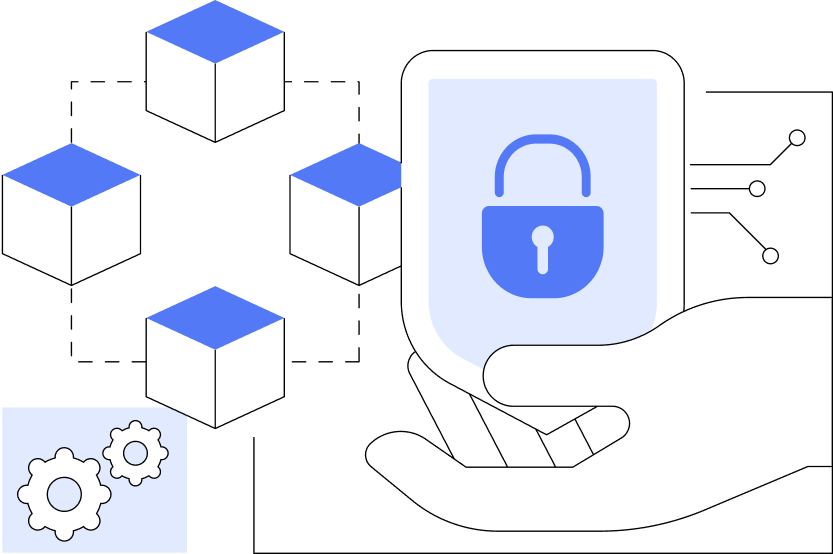
In many organizations, particularly those that have evolved their digital infrastructure over decades, Identity and Access Management (IAM) has developed in isolation within individual business units or technology stacks. The result is a patchwork of legacy authentication mechanisms; basic username-password logins, proprietary APIs and vendor-specific connectors that are unable to communicate with one another.
While these systems may have been fit for purpose when deployed, the demands of today’s hyperconnected, cloud-driven, and mobile-first ecosystems have rendered them increasingly inadequate. As enterprises scale, migrate workloads to the cloud, and adopt hybrid architectures, the cracks in siloed IAM systems become impossible to ignore.
This fragmentation manifests in several critical ways:
Without a unified framework, inconsistent DLP, patching, encryption, and token policies create exploitable weaknesses.
Employees often juggle multiple credentials across applications, heightening risks of weak passwords, reuse, and phishing or credential stuffing attacks
Alarmingly, 71% of companies lack a formal offboarding process, and 89% of ex-employees still retain access to private apps and data. {3}
Maintaining separate credential databases for each application or business function creates redundancy and drives up operational costs.
User onboarding and offboarding involve repetitive tasks across multiple systems, reducing productivity and increasing error risks.
Helpdesks spend disproportionate time on password resets and access troubleshooting, diverting resources from more strategic IT initiatives.
Without centralized identity logs, compiling full access histories across systems for compliance audits becomes manual and time-consuming.
Different platforms may capture varying levels of detail (or none at all) for access events, undermining audit accuracy.
Inability to show exactly “who accessed what, when, and how” risks noncompliance with GDPR, CCPA, HIPAA, PSD2, and other regulations.
Gartner emphasizes that identity has become the core control plane for cybersecurity, meaning that effective identity governance is foundational to every security strategy. In a perimeterless world where users, devices, and applications interact from anywhere, IAM is the connective tissue that ensures trust, enforces least privilege, and enables secure, modern architectures.
This reality makes the case for standards-compliant IAM protocols unavoidable. Open, interoperable frameworks like SAML, OAuth 2.0, OpenID Connect, SCIM, and FIDO2/WebAuthn provide the common language that different systems need to securely exchange authentication and authorization data, ensuring both resilience and scalability.
The Problem with Siloed Identity Systems
The fragmentation and risk created by siloed identity systems cannot be sustainably fixed by layering more custom connectors or adding manual oversight. These approaches merely patch symptoms while leaving the root cause; lack of interoperability intact.
The real solution lies in adopting open, widely recognized IAM protocols and standards that enable different platforms, applications, and devices to “speak the same security language.” These standards are designed not only to protect credentials and validate identities but also to create a consistent trust fabric across hybrid, multi-cloud, and on-premise environments.
Why Open Standards Matter
Protocols like SAML, OAuth 2.0 and FIDO2 are not proprietary black boxes; they are the product of international working groups, industry consortia, and security researchers. This collective scrutiny results in frameworks that are battle-tested against evolving attack vectors and updated to meet new security requirements.
As organizations adopt more cloud services, IoT devices, and API-driven workflows, proprietary identity solutions often fail to scale gracefully. In contrast, open standards are designed with extensibility in mind, allowing organizations to integrate new systems without rewriting the identity layer from scratch.
Operational Inefficiencies
Together, these standards form a multi-layered defense against identity-related threats while enabling smoother user experiences.
The Problem with Siloed Identity Systems
A single, coherent access policy framework across all systems.
Faster deployment of new apps, devices, and services without rewriting security layers.
Resilience against identity-based attacks, which remain the top cause of breaches globally.
SAML is an XML-based standard for exchanging authentication and authorization data between parties, particularly between an identity provider (IdP) and a service provider (SP).
How It Works
When a user tries to access a service:
The service provider redirects the user to the identity provider.
The IdP authenticates the user (e.g., via username/password, MFA, biometrics)
The IdP authenticates the user (e.g., via userThe IdP sends a SAML assertion back to the SP, confirming the user’s identity and attributes.name/password, MFA, biometrics)
The SP grants access without requiring separate credentials.
Benefits
Critical Statistics
Use Cases
Large enterprises providing SSO to cloud applications like Salesforce, Microsoft 365, or Workday.
Education institutions offering federated login across student portals.
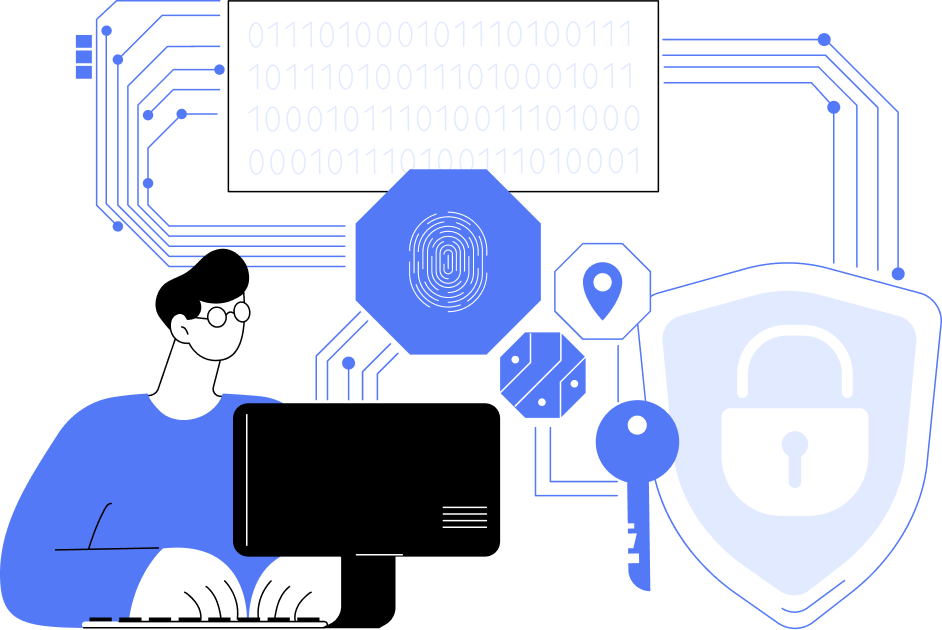
How It Works
The client app redirects the user to the identity provider.
After authentication, the IdP issues an ID token (JWT) containing verified identity data.
The client app uses this token to create a session without needing separate credentials.
Benefits
Critical Statistics
Use Cases
Mobile banking apps accessing account info from a central API.
How It Works
The client app redirects the user to the identity provider.
After authentication, the IdP issues an ID token (JWT) containing verified identity data.
The client app uses this token to create a session without needing separate credentials.
Benefits
Critical Statistics
Use Cases
Mobile apps with SSO across multiple services.
How It Works
The IdP sends SCIM-compliant API calls to create, update, or remove user accounts in connected systems.
Attributes (e.g., name, role, department) are synchronized automatically.
Benefits
Critical Statistics
Use Cases
HR systems automatically provisioning accounts in collaboration tools like Slack or Zoom.
Rapid deactivation of accounts when employees leave.
How It Works
During registration, the device generates a key pair.
The public key is stored by the service; the private key stays on the device.
At login, the service sends a challenge signed by the private key—verified using the stored public key.
Benefits
Critical Statistics
Use Cases
Consumer-facing services using biometrics for account security.
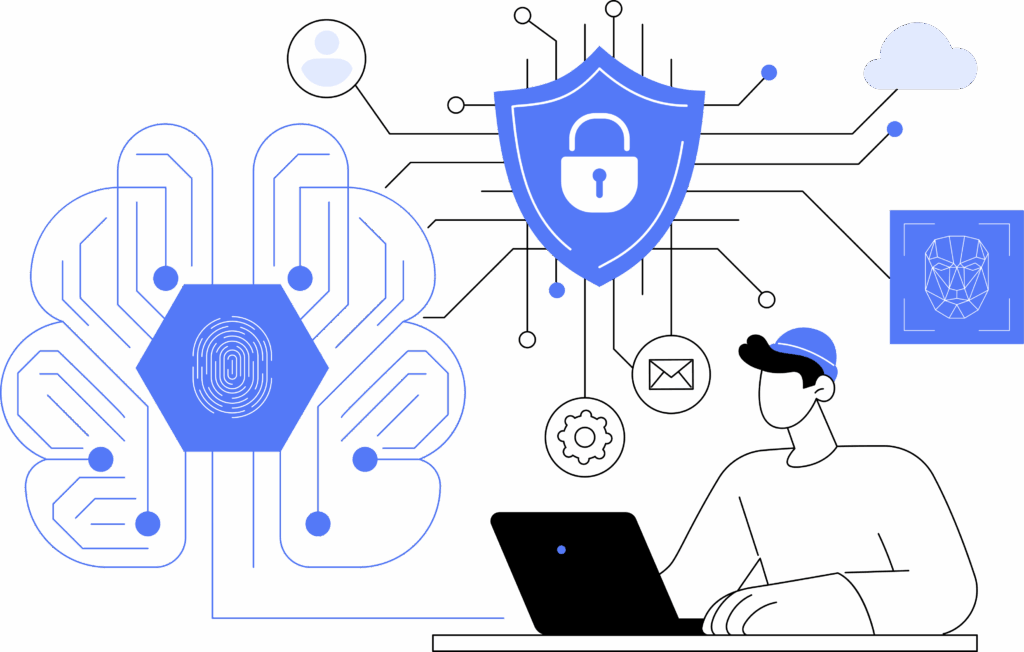
3.1 Decentralized Identity (DI)
How It Works
When a user tries to access a service:
Self-Sovereign Identity (SSI): The individual holds verifiable credentials issued by trusted entities (e.g., government, employer).
When needed, the user shares only the minimum necessary information with a service provider, who can verify authenticity via a distributed ledger or blockchain.
Example: Proving age without revealing date of birth, or proving employment without sharing full HR records.
Benefits
Critical Statistics
Use Cases
Privacy-preserving access to government services.
3.2 Zero Trust Architecture (ZTA)
SAML/OIDC: Authenticate users for each application or service.
OAuth 2.0: Grant time-limited, scope-specific access to APIs.
FIDO2: Ensure phishing-resistant, strong authentication.
SCIM: Enforce lifecycle-driven access removal to prevent privilege creep.
Benefits
Critical Statistics
Use Cases
Protecting critical infrastructure and sensitive customer data in regulated industries.
DI provides portable, verifiable credentials anchored in cryptography rather than network location.
Zero Trust ensures continuous verification of both user and device health, even after initial authentication.
Together, they enable adaptive, context-aware access control that is both user-friendly and highly secure.
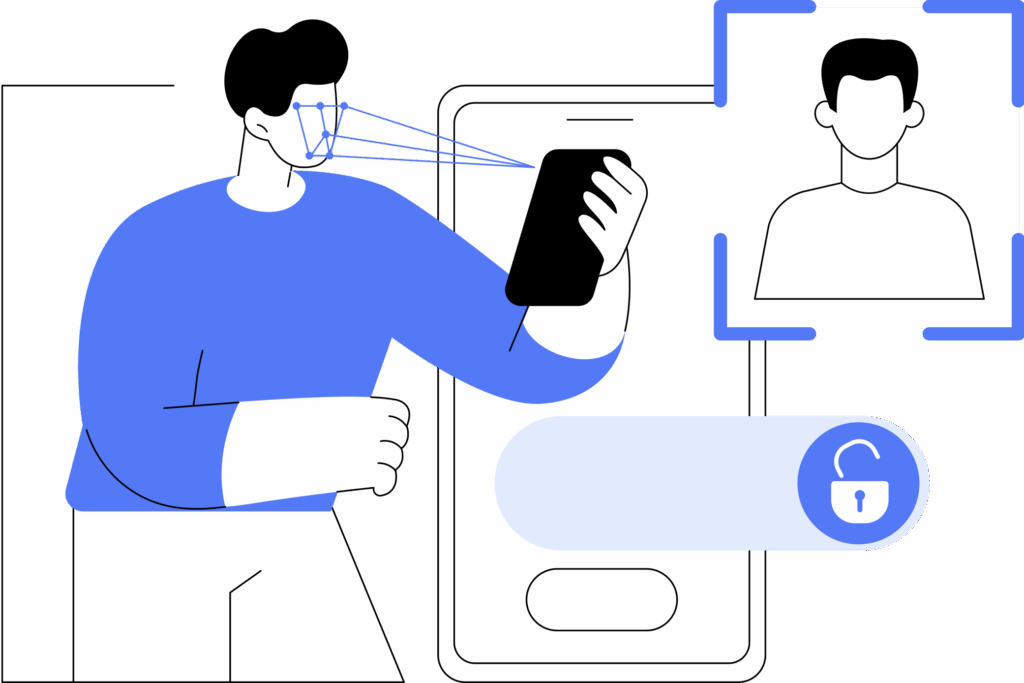
Mitigating Credential-Based Attacks
According to Verizon’s 2024 Data Breach Investigations Report, over 74% of breaches involve human elements, including credential theft, phishing, and misuse. Standards like FIDO2 and WebAuthn replace passwords with cryptographic authentication, removing the single largest attack surface in most organizations.
End-to-End Trust Enforcement
By integrating SAML, OIDC, and OAuth 2.0, organizations can:
Verify identity at every access point.
Grant least-privilege, time-bound access tokens.
Eliminate reliance on static credentials.
4.2 Operational Efficiency
Single Sign-On (SSO) and Reduced Login Friction
SAML and OIDC enable seamless SSO across cloud and on-prem systems. This not only improves user productivity but also reduces IT support calls for password resets, a process Gartner estimates costs $70 per reset in large organizations.
Automated Provisioning and Deprovisioning
SCIM eliminates manual account creation and revocation, which achieves the following
Reduces onboarding time from days to minutes.
Closes off “orphaned accounts” that can be exploited by attackers.
Frees IT staff for higher-value projects.
4.3 Compliance and Audit Readiness
Regulatory Alignment
Frameworks like GDPR, ISO/IEC 27001, HIPAA, and PCI DSS mandate secure identity verification, data minimization, and access logging. Standards-based IAM provides:
Consistent audit trails with verifiable identity claims.
Real-time access reporting for compliance inspections.
Data portability in line with privacy regulations.
A global enterprise integrating SCIM into its HR system saw a 43% reduction in helpdesk workload within three months.
4.4 Vendor Neutrality and Future-Proofing
Avoiding Vendor Lock-In
Open protocols ensure interoperability across diverse technology stacks. This flexibility allows organizations to change applications, cloud providers, or identity platforms without disrupting user access or incurring costly migrations.
Adaptability to Emerging Threats
4.5 Improved User Experience
Seamless, Secure Access
Strong security often comes at the cost of usability, but standards like FIDO2 prove that’s not always the case. Passwordless authentication provides both:
Speed: Logins in under two seconds.
Security: Cryptographic proof of identity that cannot be phished.
4.6 Tangible ROI
A Forrester Total Economic Impact study on standards-based IAM found:
50% reduction in security incidents caused by credential misuse.
40% decrease in time to integrate new applications.
15% boost in employee productivity through reduced login friction.
When scaled across large enterprises, these improvements can deliver millions in annual savings, while also strengthening brand trust with customers and partners.
5. Conclusion & Future Outlook
Widespread adoption of passwordless authentication driven by FIDO2 and WebAuthn.
Greater interoperability between public sector identity systems and private sector IAM platforms.
Expansion of self-sovereign identity wallets for cross-border transactions.
Deep integration of IAM with AI-powered anomaly detection for real-time threat response.
Term | Description |
|---|---|
SAML | XML-based protocol for enterprise SSO via federated assertions |
OAuth 2.0 | Authorization framework granting scoped access without credentials |
OpenID Connect (OIDC) | Authentication layer on OAuth 2.0 using JSON Web Tokens |
SCIM | REST API standard for user provisioning and lifecycle management |
FIDO2/WebAuthn | SSO and self-service options improve productivity |
DID & SSI | Decentralized identity enabling user-managed credentials |
Zero Trust | Security model requiring verification for each access, no implicit trust |

